

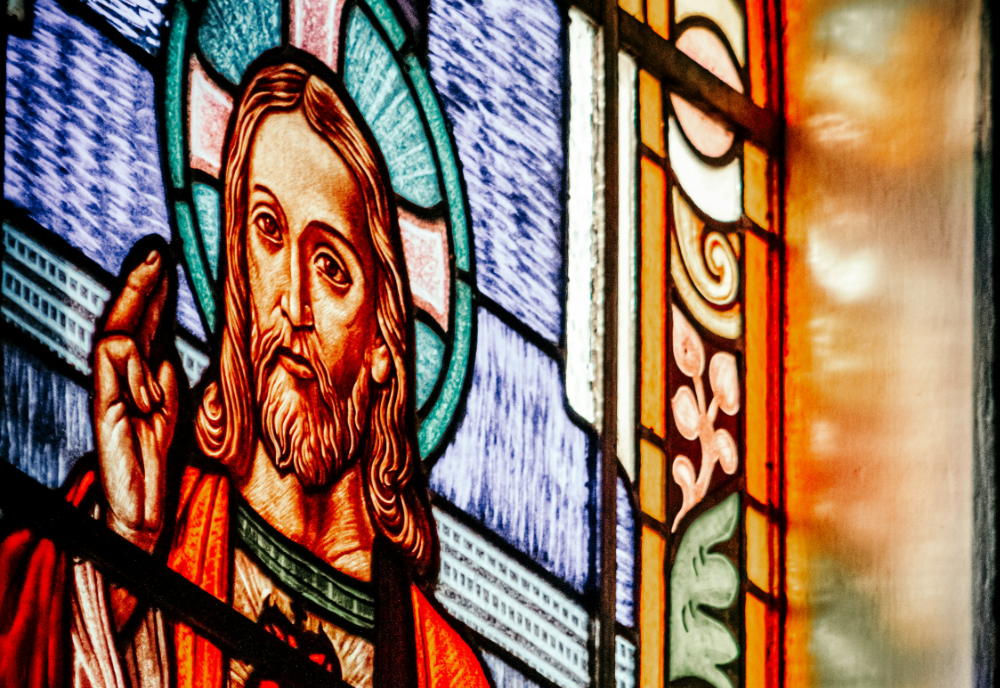
Australia is becoming a less religious, and less Christian, country than it formerly was. As recently as 1971, more than four-fifths of Australians identified as Christian. Today, fewer than half do. This is obviously a problem for Christian churches of all denominations, who are grappling with the challenges that come from empty pews and ageing congregations.
In recent years, a number of political commentators have argued that this is also a problem for Western civilisation generally. Their argument is that the institutions which lead to our success – democracy, the rule of law, human rights – have Christian foundations and that, in an increasingly-secular society, those foundations will crumble. For the sake of the common good, we should all become Christians again.
In 2022, Jordan Peterson called on demoralised young men to do their “duty to the past and the community” by joining a church regardless of what they actually believed. “Who cares what you believe?” he asked rhetorically.
The next year, ex-Muslim writer and campaigner Ayaan Hirsi Ali made a public conversion to Christianity in which she spoke at length about the threat of authoritarian regimes, Islamism and woke ideology, and said nothing about experiencing faith or forming a personal relationship with Christ.
Since he left the Commonwealth parliament, former National Party leader John Anderson has launched a successful career in new media as a podcaster. He has become, perhaps, the leading advocate of the position that Christianity is indispensable to Australian society and democracy.
As he put it in a 2020 interview for the Gospel Coalition: “Democracy as we know it is a product of Western-style Christianity”.
Five years later, in a Boyer Lecture, he said that Australia was facing a “civilisational moment” with the liberal global order crumbling not only from external threats but from our own lack of belief in the defining values of our civilisation.
It is true that the parliamentary democracy we have in Australia arose in Britain, a historically-Christian society. It is also true that many of the institutions and ideas which define the modern liberal order – the scientific revolution, legal liberalism, the modern conception of human rights – arose in northern and western Europe. But it is also true that, for most of the time in which Christianity was the dominant religion in these societies (or, pointedly, the only legal religion in these societies) these modern liberal ideas were noticeably absent.
From when Christianity became the official religion of the Roman Empire in 380 until the beginning of the Enlightenment in the 17th century, authoritarianism, oppression and brutality were the norm in Christian Europe. Europe was no worse than the rest of the world, but it was also no better.
Any person who argues that Christianity has no connection with liberal democracy does need to explain why liberal democracy arose in Christian societies. But, at the same time, anyone who argues that Christianity is fundamental to liberal democracy needs to explain the centuries of illiberalism.
The fundamental problem is that, in 17 centuries, churches have endorsed a wide range of often-contradictory ideas. They have provided biblical arguments in favour of slavery and campaigned for abolitionism. They have upheld the divine right of kings and agitated for democracy. They have pushed kings to start wars and pushed presidents to make peace. They have burned heretics and preached tolerance.
Ultimately, liberal democracy has not become established because liberal and secular principles are Christian; it has become established because western Christians have accepted its liberal and secular values.
Christian churches and leaders have, at times, been a powerful force for peace, democracy, and human rights. But, for most of the time in which Christianity was the only legal religion in Europe, they were most emphatically not.
Western Christianity has changed. And if you are someone who values a liberal and secular society, the change has been for the better.

But it is hard to argue that Christianity provides a foundation for liberal democracy given how changeable it has been, hard to argue that it is fundamental to it when Christian authorities were so illiberal for so long, and also hard to argue that it is indispensable to liberal democracy as more secular western societies have become steadily more democratic.
The Enlightenment and the human rights movements of the 20th century represented a shift in thinking larger than the one which took place when the Roman Empire became Christian. The rise of liberal democracy was, in some ways, a strange thing. The rulers of human societies have not readily accepted restraints on their power. And, for most of our history, authoritarianism was the norm. Christianity adapted well to this transition, but it did not cause it.
Published 28 June 2026.
If you wish to republish this original article, please attribute to Rationale. Click here to find out more about republishing under Creative Commons.
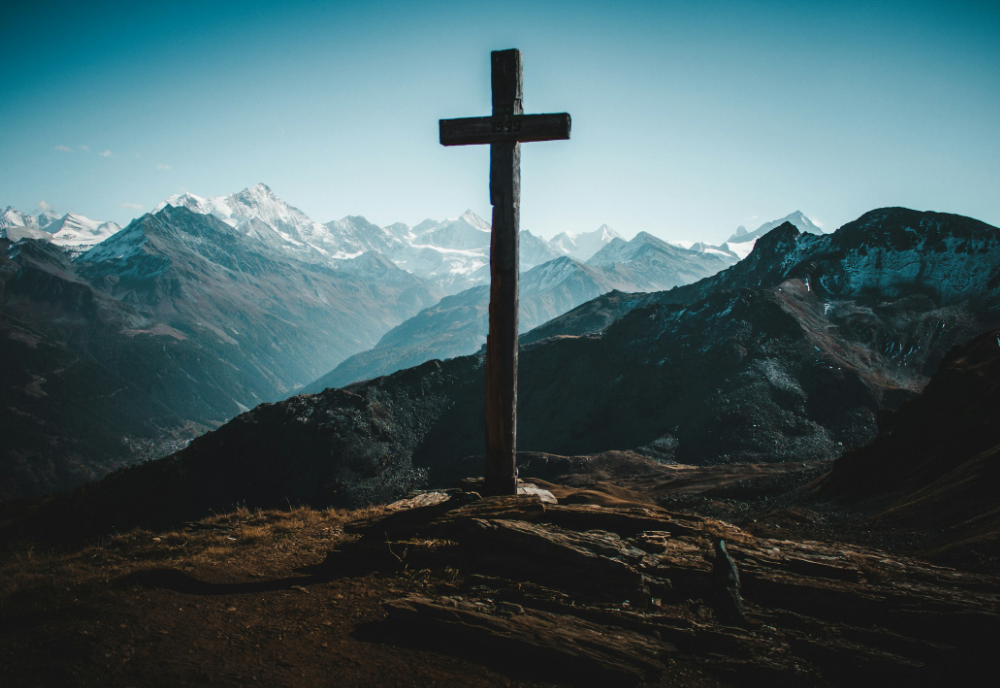
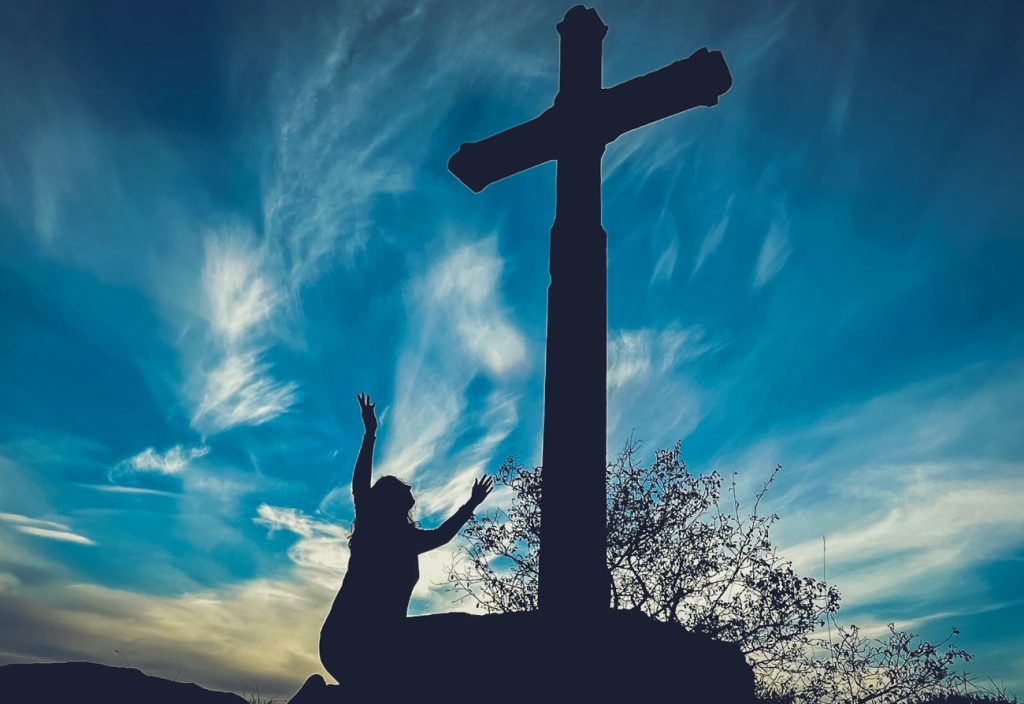
Photo by Kelem Figueiredo on Unsplash.















Hi Adam,
Thanks for this nuanced essay, it’s a topic close to my heart and work.
I guess historical record includes both periods in which Christian institutions resisted democratic ideals and periods in which Christian thinkers and movements helped advance them.
Jack