
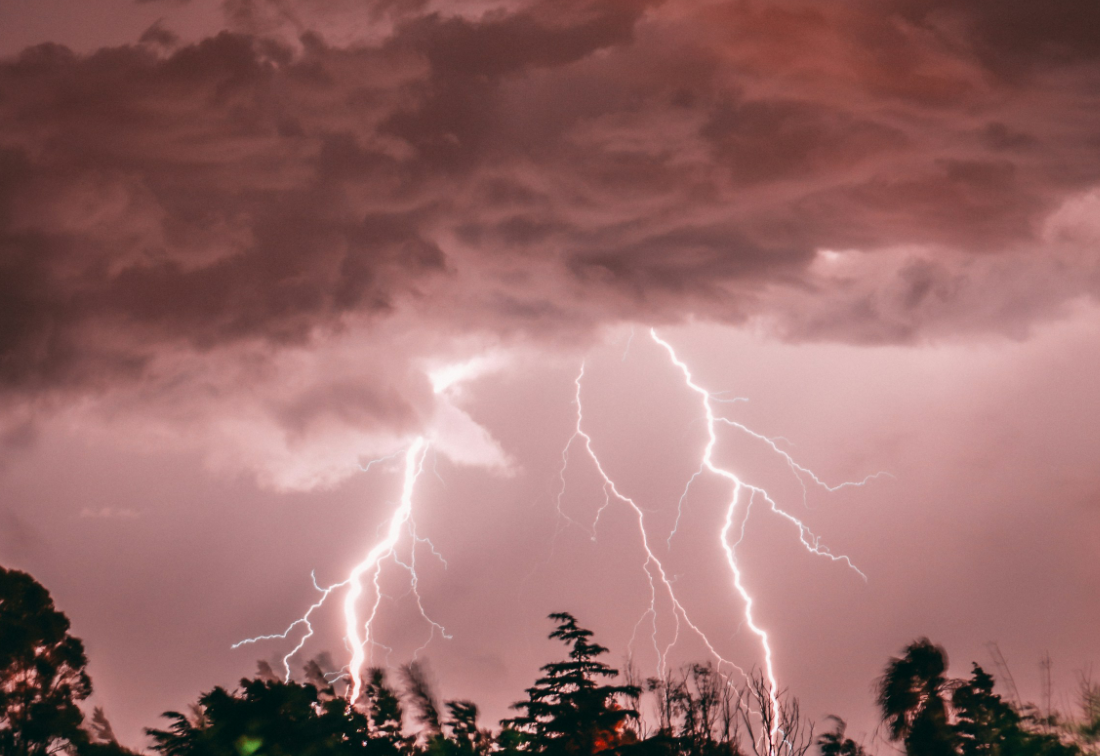
I can still picture it: a page from the illustrated encyclopedia my parents gave me as a child. A man dressed in animal skins walks across an open moor. The clouds above him are black, lightning splits the sky, and his face is tilted upward in fear. The caption told me that because early humans could not explain the storm they invented gods like Thor to give mystery a name.
That image never left me. Perhaps because I feel, in my own way, that I am still that man on the moor. Every day I press a switch on the wall and light floods the room, though I could not truly explain why. People might scoff at that — after all, I was taught in school about circuits and currents — but it is now little more than a dim memory. And I know I am far from alone. In most developed countries, at least one in five adults leaves formal education without completing upper secondary school, never mind retaining enough science to explain electricity, combustion, or digital networks.
We like to imagine that modern life has freed us from myth, but most of us still live surrounded by forces we cannot truly explain. The difference is that now, instead of gods, we rely on institutions — the scientists, broadcasters, engineers, and public servants who mediate reality on our behalf. And when those institutions falter or lose credibility, the lightning feels just as frightening as it did on that moor.
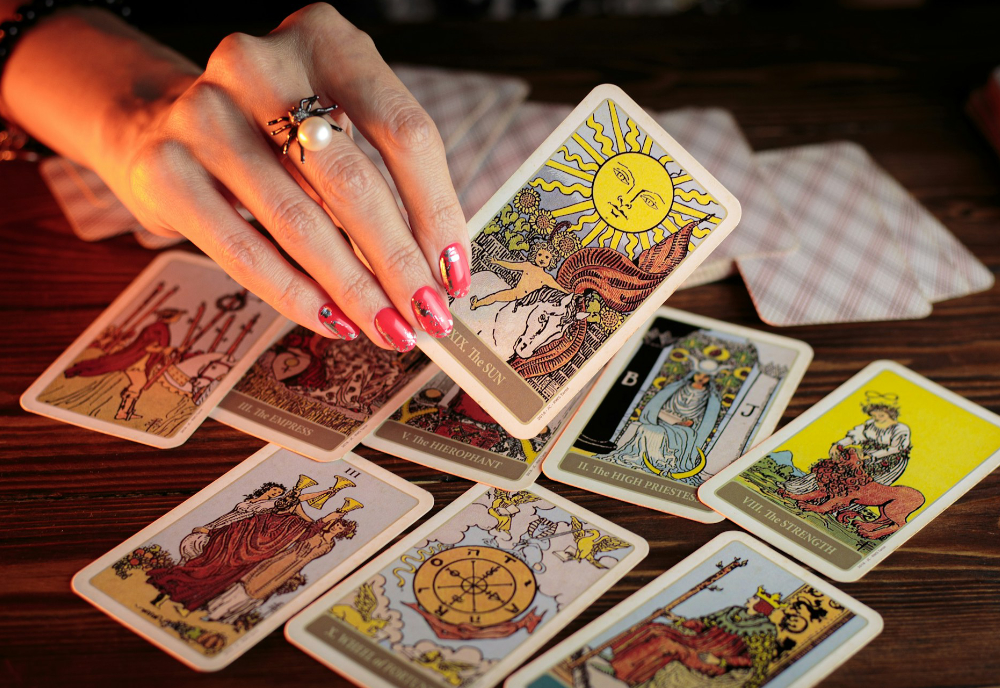
For most of human history, mystery was not a problem to be solved so much as a force to be accommodated. Storms, plagues, eclipses — they were given names and spirits, folded into a world where explanation and meaning were one and the same. A myth was not just a story; it was a framework of trust, a way to feel that the universe was ordered rather than hostile.
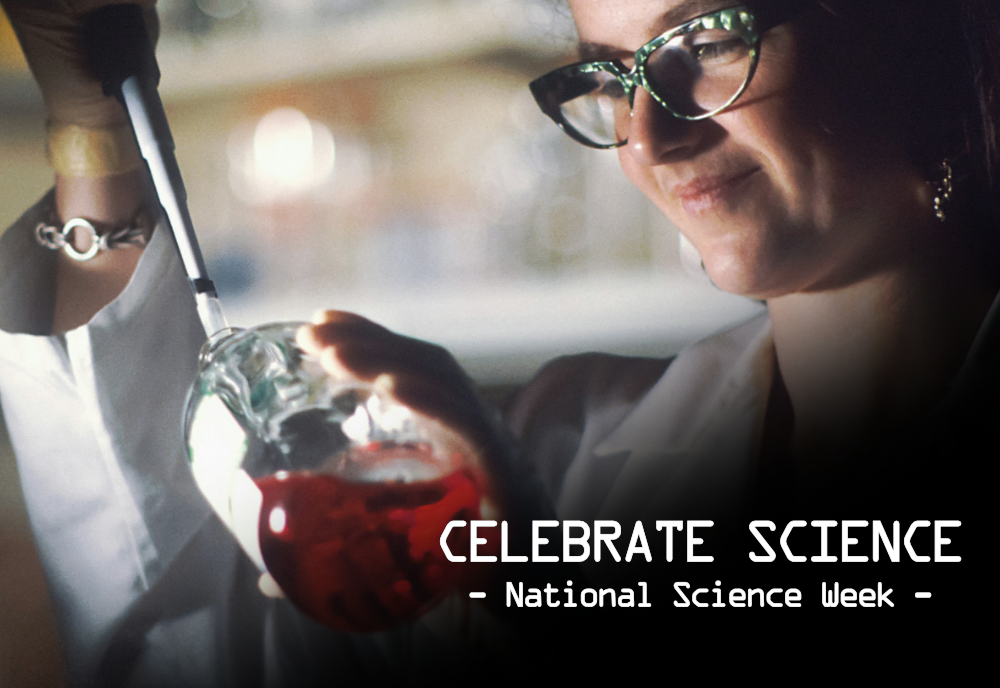
The Enlightenment shifted that landscape. Lightning rods replaced Thor, microscopes replaced demons, and natural philosophy gradually became what we now call science.
Yet, this was never simply a matter of individuals acquiring knowledge. Most people did not — and still do not — learn enough physics to wire their own homes or enough biology to decipher a virus. Instead, we built institutions: churches once, then universities, broadcasters, and governments. They became the trusted interpreters of complexity.
That trust, more than knowledge itself, allowed modern societies to flourish. I didn’t need to understand alternating current to switch on a lamp; I only needed to trust the electrician, the power company, and the regulatory bodies that oversaw them. For generations, this chain of trust held strong enough that most of us never thought to question it.
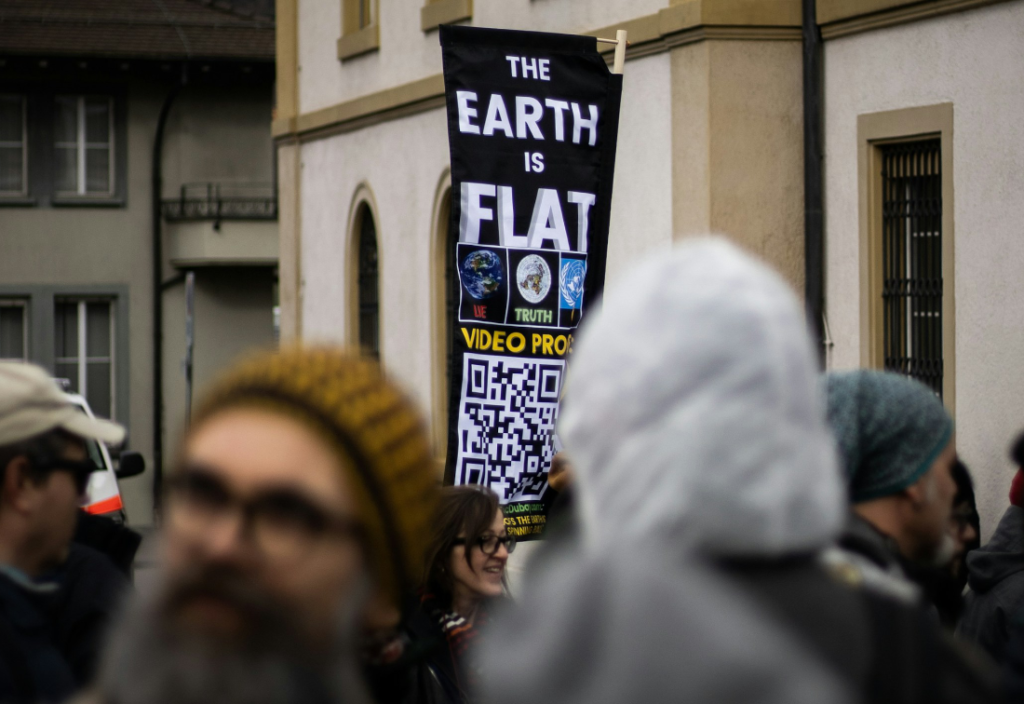
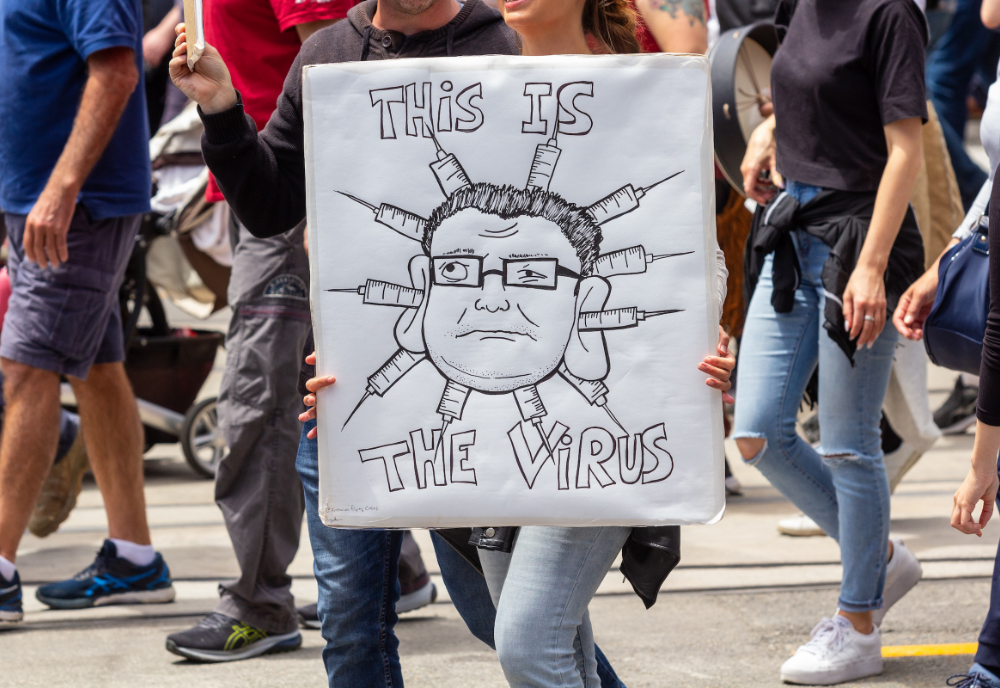
But when the chain weakens, mystery rushes back in. Conspiracy theories are, in a sense, modern myths — attempts to explain forces that feel overwhelming, hidden, or unaccountable. They flourish not because people are uniquely ignorant, but because the interpreters of truth no longer command automatic trust.
When politicians lie, when media outlets distort, when institutions fail to live up to their ideals, a vacuum opens. And, in that vacuum, any story — however wild — can seem as plausible as another.
What strikes me is not that people believe strange things, but that they always have. The real difference lies in who they trust to tell the story of reality. For centuries, priests and monarchs commanded that trust. Later, scientists, journalists, and public broadcasters carried it. Today, the chain feels frayed, and suspicion grows where certainty once lived.
The duality is sharp. On one side, knowledge has never been more abundant: whole libraries compressed into our phones, research papers accessible to anyone with an internet connection. On the other, understanding has never felt more elusive: algorithms operate in secret, decisions are made in opaque institutions, and political leaders appear less interested in truth than in persuasion.
Conspiracy theories thrive in this tension. They offer the illusion of clarity when the world feels impossibly complex. They play on the very human need to connect dots, to find agency where we otherwise feel powerless. In that sense, they are not so different from Thor. But where the god of thunder united a tribe under shared myth, today’s conspiracies often fracture communities, setting neighbour against neighbour.
This is the paradox of our age: knowledge expands, yet trust contracts. Explanations abound, but we do not know which ones deserve our faith. Without trust, knowledge itself cannot hold society together.
From lightning gods to digital algorithms, the pattern is constant: human beings cannot live without explanations. But not all explanations are equal, and not all of them dignify us. What matters is not only the content of the story, but the trust we place in the storyteller.
Meaning is as essential as truth. People turn to myths or conspiracies not because they are foolish, but because they are human — and humans need coherence.
Trust is as vital as knowledge. Without trust, even the most rigorous science cannot persuade; with trust, even thin myths can unite a people.
Explanations without trust are inert. A textbook ignored gathers dust.
Trust without truth is dangerous. A conspiracy can mobilise millions but corrode the very fabric of community.
Our task is not to eradicate mystery but to cultivate trustworthy interpreters of it. Institutions, leaders, and each of us in daily life earn that role through honesty, humility, and accountability.
The storm over the moor is always with us. The question is: which voices do we allow to speak into the thunder?
That encyclopedia image still lingers in my mind: the man in skins, frozen in fear as lightning splits the sky. In truth, I don’t feel so different when I stand before the glow of my laptop or ride in a car that steers itself. The mystery is still there — only the storytellers have changed.
The deeper question is not whether mystery can be eliminated. It cannot. The question is who we trust to interpret it. If we surrender that role to conspiracies, we end up more fearful, more divided, more alone. If we demand honesty and humility from our institutions, we build something stronger: a community bound not by blind faith, but by trust that has been earned.
Perhaps that is our modern form of shelter from the storm — not a myth that banishes lightning, but a civic covenant that keeps us steady when the skies grow dark.
This article has been republished with the permission of the author. It originally appeared on his Substack.
Photo by Geronimo Giqueaux on Unsplash.