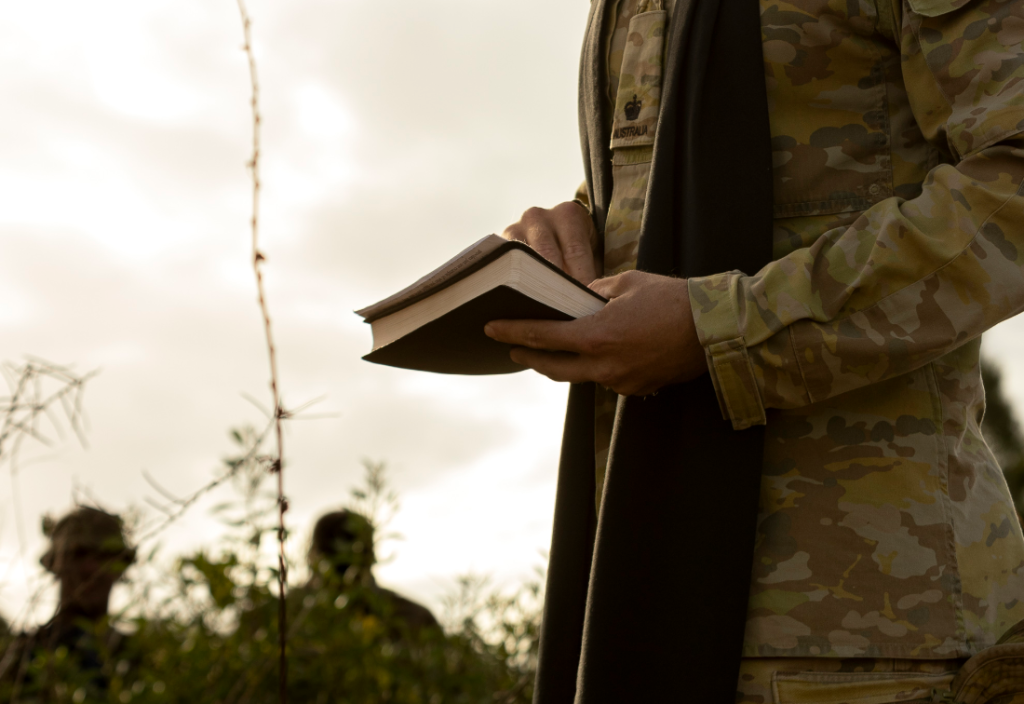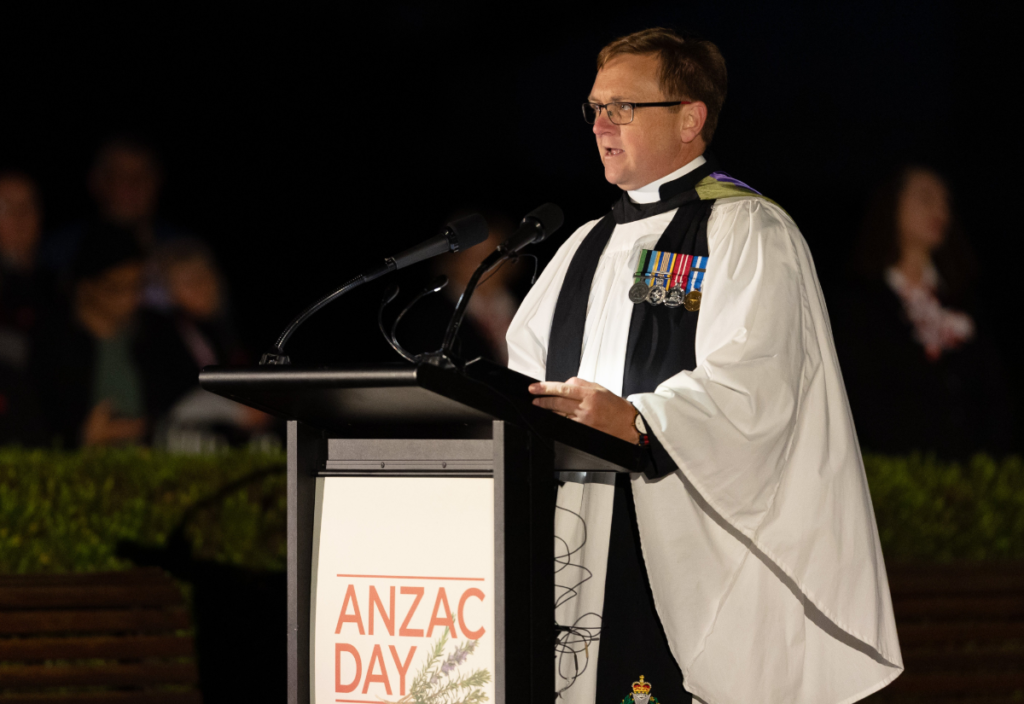

Following an article in the Journal of Religion and Health, several chaplains published a further article in the 2023 edition of the Australian Army Chaplaincy Journal outlining some findings from an internal chaplaincy-sponsored survey on the use of chaplains in the military.
The purpose of the articles appears to be the desire to make the case for the continuation of religious-based chaplaincy in the Australian Defence Force (ADF), and to counter the mounting calls for secular reform.
However, hidden in plain sight within the detail of the survey results is undeniable evidence that non-religious Defence members are substantially less likely than religious members to seek support from a religious chaplain.
Instead, the evidence gives weight to views that the Australian Defence Force must seek to expand the number of secular wellbeing officers – or non-religious chaplains – that it provides within Army, Navy and Air Force, and undermines the claims of Defence’s chaplains.
While the articles conceal the relevant data, there are some easily decipherable results from the random survey of 2,783 Defence respondents.
Of the respondents, 1,230 had previously sought support from a chaplain at some point. But, due to survey design, this group was never asked their religious affiliation. Only those who had not sought support from a chaplain (the other 1,553) were asked.
Of the 1,553 who were asked their religious affiliation, 1,116 responded to the question, and 28.4 per cent of these (or 317) said they were religious.
We, presumably, don’t know the religious affiliation of the rest of those surveyed – the other 1,667. But a companion data source allows for a reliable estimate to be made.
Official Defence census data indicate that 42 per cent of the entire Defence Force (permanent and reserve) were religious at around the same time of the survey. If the survey were representative – and just 28.4 per cent of those who did not see a chaplain were religious – then some relatively simple maths shows that almost 51 per cent of those who did see a chaplain, or simply did not answer the question about religiosity (the other 1,667), were likely to be religious (so that the whole sample would add up to be 42 per cent religious).
This isn’t a random data quirk within a margin of error. It means that Defence members who saw a chaplain during the survey period were substantially more likely to be religious than those who did not – in fact, they are at least 80 per cent more likely.
Importantly, it also suggests that non-religious members are either substantially less likely to see a religious chaplain and/or have less need to seek wellbeing support from a religious chaplain.
The articles provide some further insight on this.
Of those who had not sought support from a chaplain and answered the religiosity question, 25.5 per cent specifically indicated that they did not want to talk to a religious person.
Significantly, across the entire sample, when asked about their preferred support service provider, 68.1 per cent of those who responded to this question nominated either a non-ADF counsellor, their own supervisor, or a psychologist rather than a chaplain (24.0 per cent). This means that even among those who saw a religious Defence chaplain, most would still have preferred an alternative.
If extrapolated across the entire Australian Defence Force – which is always a cautious assumption – almost 39,000 of Defence’s 57,000 members in 2023 preferred to seek wellbeing support from somebody other than a religious Defence chaplain. Sometimes this was specifically because the chaplain was religious.
Despite their protestations otherwise, the existing religious Defence Force chaplaincy model appears to be a barrier to care, and their own data provides the evidence for this.
It is unclear why the authors did not disclose their full findings and obscured them in the manner they did, especially since these figures were derived from their own published text and tables.
The plight of religious chaplaincy to protect their exclusive domain in wellbeing support is well known, and there may be a concern among them that non-religious chaplaincy poses an existential threat to their role in Defence.
But their cause is not helped by their own data. Even seemingly positive data suggesting that 82.8 per cent of those who had accessed military chaplains said that the religion of the chaplain was not important to them – thereby supporting a view that chaplains can also provide secular support – inadvertently questions whether chaplains should be religious at all.
If religion is not important for most Defence members seeking support, then why are Defence chaplains almost exclusively religious (except for a small number of secular chaplains in the Navy)?
Regardless, nobody has suggested that religious chaplaincy be entirely removed. However, critics have strongly suggested that the Defence Force needs to evolve toward a model that includes secular wellbeing officers alongside religious chaplaincy.
The relatively low religious affiliation of Defence members – at just 42 per cent in 2023 (just 39 per cent in the permanent force), and expected to be even lower in 2026 – supported by evidence that non-religious members are substantially less likely to seek wellbeing support from religious chaplains helps to advance the call for a greater inclusion of uniformed secular wellbeing counsellors in Defence.
Published 21 April 2026.
If you wish to republish this original article, please attribute to Rationale. Click here to find out more about republishing under Creative Commons.
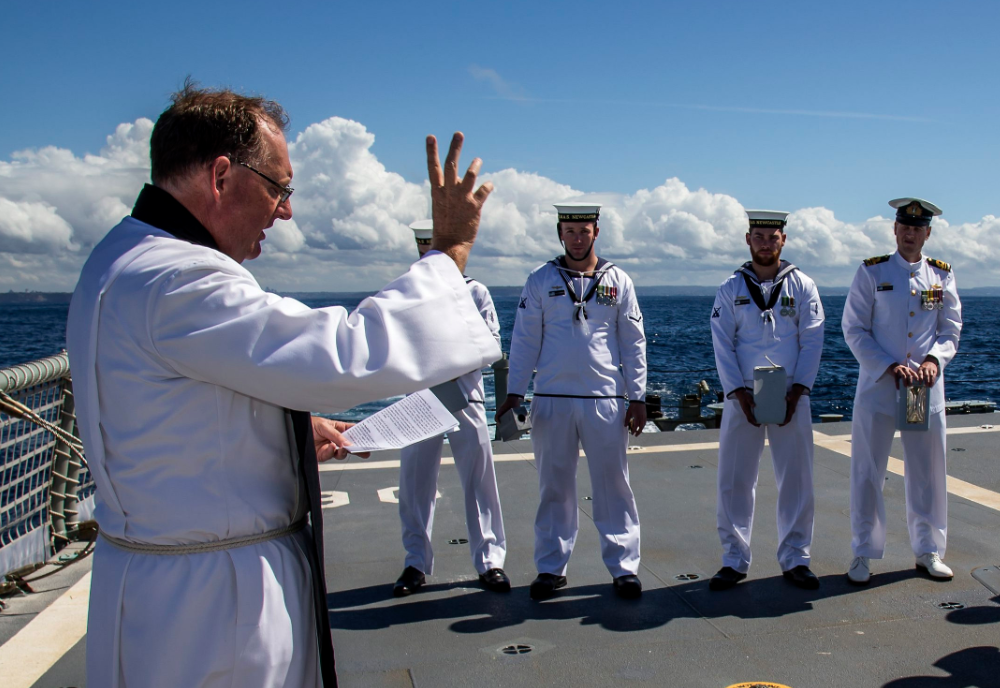
Photo by Department of Defence (Commonwealth of Australia)