



Countering Archbishop Comensoli’s ‘culture of death’ claim
Editor’s note: If you would like to submit a letter for possible publication, please email it to editor@rationalist.com.au. See our ...

Waleed Aly’s post-liberal ‘monsters’
Liberalism is in trouble. Its underlying ideas still have some popular resonance, but they attract little support in mainstream politics ...
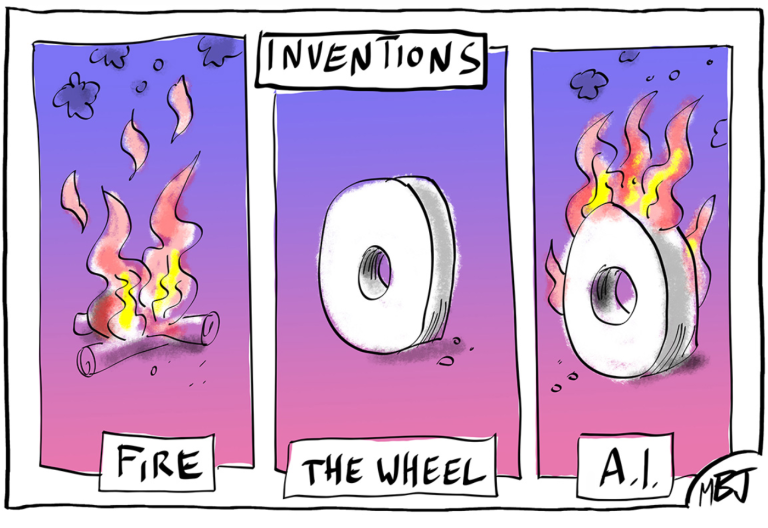
MBJ’s view
See current affairs through the eyes of cartoonist Matt Bissett-Johnson. Published 18 October 2026.

The disconnect driving populist politics
In May 2025, the Albanese Labor government’s decisive victory suggested that the tides of populism which had inundated Europe and ...

Scenarios to jolt us awake
Annie Jacobsen is a bold investigative journalist and the author of a string of portentous books on the military and ...
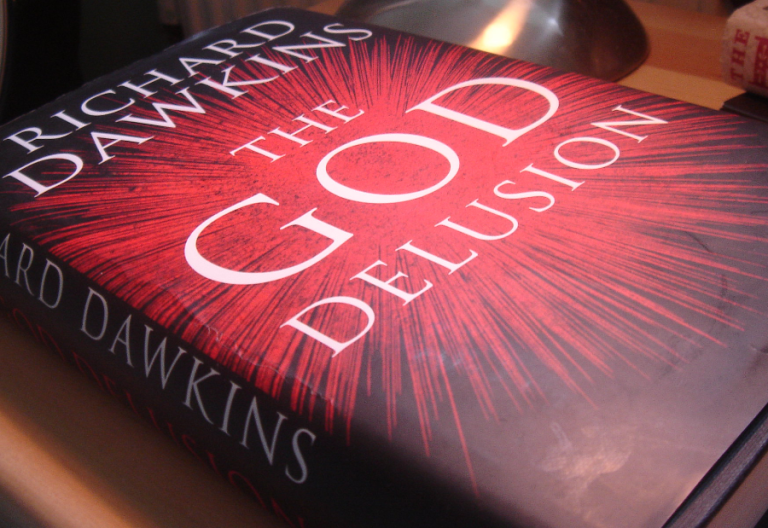
Truth, evidence and controversy: Richard Dawkins’ ‘The God Delusion’ at 20
In my youth, somewhere in the late 1990s, when I was a goth or a punk or something, I had ...